

In recent years, Class 4 laser therapy has emerged as a potent tool in the field of rehabilitative medicine, grabbing the attention of healthcare providers, athletes, and medical professionals alike. With developments in technology and a growing body of proof supporting its success, these high-powered lasers are revolutionizing the approach therapeutic care are approached. Patients seeking relief from discomfort and quicker recovery periods are being increasingly exposed to this new modality, resulting to an dynamic transformation in physical therapy strategies.
As an increasing number of professionals embrace Class 4 laser therapy, grasping the nuances of choosing the appropriate device becomes crucial. With multiple brands and models to choose from, potential users must navigate a field filled with complexities such as power capacity, wavelength selection, and safety features to make informed decisions. This article will explore the important aspects of Class 4 laser therapy devices, featuring key features, treatment protocols, and developing trends, while discussing how these therapeutic tools can shape the next steps of rehabilitation and improve patient care.
Key Features of Class 4 Laser Therapy Devices
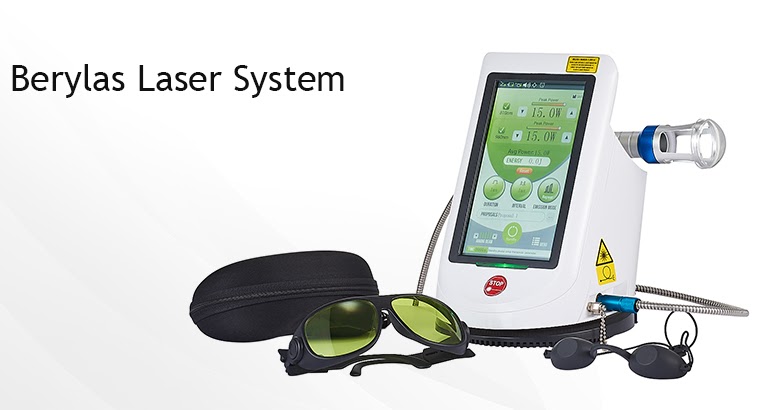
Class 4 laser therapy devices are engineered with advanced features that enhance their efficacy in physical rehabilitation. One of the key aspects is the energy output, which typically goes beyond 500 milliwatts, permitting for greater tissue penetration and increased therapeutic effects. This high power promotes quicker healing while providing instant pain relief, making these devices ideal for treating a range of musculoskeletal conditions. Additionally, the ability to alter power levels allows clinicians to personalize treatments to specific patient needs, maximizing the therapeutic benefits.
Light wavelength is another crucial factor in the effectiveness of Class 4 laser therapy devices. Different wavelengths infiltrate tissues at different depths and affect biological processes differently. For instance, near-infrared lasers (around 800-900 nanometers) are well-suited for deep tissue treatment, while visible red wavelengths (around 600-700 nanometers) are suitable for superficial conditions. By picking the appropriate wavelength, practitioners can enhance treatment outcomes for targeted injuries or pain management scenarios, ensuring that they address the unique requirements of each patient.
Portability versus stationary design is also an significant consideration for clinicians. Portable Class 4 laser therapy devices offer the edge of being used in multiple settings, including home care and remote locations, providing ease to both patients and practitioners. Conversely, stationary models may provide enhanced power and features suited for clinical environments where versatility and high performance are essential. Ultimately, selecting the right type depends on the specific clinical applications and the practitioner’s workflow, highlighting the need for thoughtful consideration based on unique practices and patient demographics.
Selecting the Appropriate Class 4 Laser for Treatment
As choosing a Class 4 laser therapy device, it is essential to take into account various factors to ensure the optimal therapeutic outcomes. Understanding power output is vital, as devices with increased wattage provide the capability to treat deeper tissues effectively. In addition, the wavelength of the laser plays a significant role in absorption by specific tissues; therefore, selecting a device that offers the suitable wavelength for the particular condition being treated can enhance effectiveness. Devices designed for pain management and healing should optimally support both continuous and pulsed wave modes, as each mode can offer unique benefits based on the treatment goal.
Mobility and ease of use are also important considerations. For practitioners who demand mobility, lightweight and battery-operated models may be more suitable, while those in stationary clinical settings might benefit from more robust, larger units that offer advanced functions. Ergonomics should not be overlooked, as a well-designed design can enable extended treatment sessions without causing strain to the practitioner. In you can find out more , adjustable power settings allow for tailoring based on patient needs, making it easier to adapt treatment plans as required.
Lastly, safety is paramount when operating Class 4 laser therapy devices. Making sure that the device has received FDA clearance is a crucial step in confirming compliance with safety standards. Seek out models equipped with effective cooling systems to prevent overheating during sessions and built-in safety features such as automatic shut-off mechanisms. Also, evaluate the manufacturer's training and certification support, as thoroughly designed training can dramatically improve the efficacy of treatments performed with the laser. By thoughtfully evaluating these features, practitioners can make an informed decision about the appropriate Class 4 laser therapy device for their treatment aims.
Assessing Effectiveness and Worth in Class IV Lasers
When assessing Class 4 laser therapy devices, it is important to consider the balance between effectiveness and cost. A higher initial cost may provide advanced features such as enhanced power output, multifunction capabilities, and increased treatment versatility, which can boost treatment outcomes. However, it's important to ensure that these capabilities align with the particular needs of your clinic. Reviewing user feedback and clinical studies can provide understanding into how effectively certain models deliver results relative to their price points.
The importance of reliable effectiveness cannot be overstated, particularly in a clinical setting where results strongly impact patient satisfaction and recovery periods. Devices with adjustable power levels and various treatment modes can offer tailored solutions for different conditions, improving efficiency and efficacy. It is wise to choose a device with proven evidence-based advantages that defend its cost. Conduct market research to identify any standout brands known for delivering high-quality results while maintaining cost-effectiveness.
Ultimately, guarantee and customer support hold a pivotal part in evaluating worth. A strong warranty can mitigate long-term costs related to repairs or replacements, while robust customer support ensures that any issues can be addressed promptly. As you weigh options, consider how each device's specifications align with your treatment objectives, alongside the potential return on investment for your clinic. This holistic approach will aid in making an informed decision on the best Class IV laser therapy device to choose.