

In recent years, Class 4 laser therapy has appeared as a significant tool in multiple clinical settings, offering new solutions for pain management, healing wounds, and tissue repair. With progress in technology, these high-powered lasers give practitioners with the capability to administer targeted treatments that promote healing at the microbial level, making them a valuable addition to every clinic. As medical professionals increasingly search for evidence-based methods for patient care, understanding the cost-benefit analysis of purchasing Class 4 laser therapy devices has become essential.
Clinics must consider a multitude of factors when assessing Class 4 laser therapy devices, from output power and wavelength selection to ease of transport and safety protocols. This article will discuss the key attributes that set apart the top laser therapy devices, offering insights into their medical uses, adherence to safety standards, and general effectiveness. By dissecting the major components that influence treatment outcomes, we aim to equip healthcare professionals with the insights needed to make educated decisions regarding the inclusion of Class 4 laser therapy into their practice.
Main Characteristics and Requirements
When considering a Class 4 laser therapy device, several essential attributes and specifications must be examined to ensure the best performance for clinical applications. One of the most critical aspects is output power, which typically ranges from 0.5 to 25 watts. Higher power outputs can provide deeper tissue penetration, allowing for effective treatment of a variety of conditions. Additionally, manufacturers often provide adjustable power settings, enabling clinicians to tailor therapy according to specific patient requirements and the particular issues being treated.
Wavelength is another vital specification in Class 4 lasers, as it significantly impacts tissue absorption and treatment efficacy. Lasers usually function within the range of 600 to 1000 nanometers, with different wavelengths addressing various tissues more effectively. For instance, extended wavelengths penetrate deeper, making them suitable for musculoskeletal issues, while shorter wavelengths are ideal for surface tissue applications. Grasping these properties allows clinicians to select a laser that aligns with their clinical approaches and healthcare objectives.
The architecture of the laser device plays a crucial role in its functionality and efficacy. Deciding between mobile and fixed devices is one consideration when choosing a device; mobile options are suitable for clinics that conduct home visits, while stationary models can be beneficial in a clinical setting with high patient volumes. Furthermore, ergonomics and user-friendliness in the design can impact treatment efficiency, minimizing fatigue for practitioners during lengthy applications. advanced laser therapy systems designed unit enhances the overall experience for both the clinician and the patient.
Safety and Regulatory Considerations
As investing in Class 4 laser treatment devices, safety and compliance are of utmost importance. Ensure that the device has obtained Food and Drug Administration clearance, as this indicates that it adheres to established safety guidelines and legal requirements. By choosing devices with appropriate certifications, clinics can minimize potential litigation liabilities and provide confidence to patients about the safety of therapies. Failure to comply with safety regulations can lead to grave consequences, including injury to patients and damage to the clinic's image.
Additionally, vital aspect of safety is the inclusion of built-in safety features. Seek out devices equipped with safety glasses for both the operator and the patient, crisis shut-off mechanisms, and adequate warning indicators. Additionally, the laser should have warning labels and guidelines clearly displayed, informing users of proper operational protocols. Ensuring that the device has these features not only encourages a safer environment but also enhances user confidence during procedures.
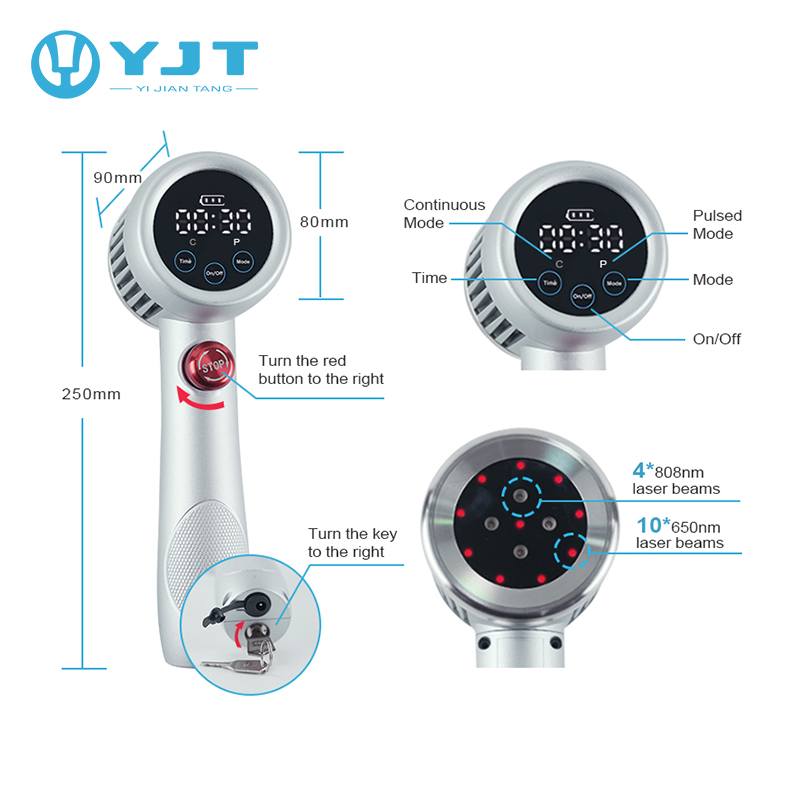
Education and certification are also essential compliance elements. A trustworthy manufacturer should provide adequate training for practitioners using Class 4 laser treatment devices. This entails understanding operational procedures, safety precautions, and effective treatment protocols. Investing in thorough training sessions not only guarantees compliance with local and federal regulations but also empowers clinicians to deliver secure and efficient care, ultimately improving patient outcomes and contentment.
Effectiveness and User Satisfaction
When assessing Class 4 laser therapy devices, performance is a key element that significantly impacts user experience. The success of the treatment largely depends on the energy output and the frequency of the laser. medical-grade photobiomodulation lasers that offer steady and optimal power output can access deeper layers of tissue effectively, which is crucial for pain management and healing. As users operate the device, they should notice not only the efficacy of treatments but also a diminution in patient pain during treatment sessions, contributing to overall pleasure with the therapy.
Consumer experience is heavily influenced by the aesthetics and user-friendliness of the Class 4 lasers. A mobile device with a lightweight build allows professionals to maneuver freely while conducting treatments, reducing stress on the hands and wrists. Additionally, user-friendly controls and customizable power settings enhance usability. Clinicians value devices that include pre-programmed settings tailored to specific conditions, streamlining the treatment process and allowing them to focus more on patient care rather than adjusting complex settings.
Lastly, the importance of customer support and training provided by manufacturers cannot be overstated. A device that is backed by comprehensive training materials and attentive customer service can significantly improve the user experience. Support in comprehending treatment protocols and troubleshooting enhances trust in using the equipment, ultimately leading to better patient results. Clinicians value brands that not only provide effective devices but also invest in their ongoing training and support, fostering a lasting relationship that benefits both the practice and its patients.