

Class IV laser treatment has become a promising alternative for numerous inflammatory conditions, gaining acknowledgment in medical practices and therapy settings. As the need for successful non-invasive pain management solutions grows, understanding the intricacies of Class 4 laser devices becomes crucial for healthcare providers and patients alike. https://hays-damborg.thoughtlanes.net/an-closer-look-at-class-4-laser-therapy-devices-attributes-and-advantages utilize specific light wavelengths and power outputs to access deep tissues, intended to facilitate healing and reduce pain.
In this exploration of Class 4 laser therapy, we will examine key features and considerations to guide you to make informed decisions when picking a device. From understanding the value of power output and wavelength to reviewing portability and safety features, we will address the key aspects that define the effectiveness of these lasers. Furthermore, we will talk about how to select the right model for both clinical applications and even veterinary use, ensuring that you possess the knowledge needed to successfully approach this developing field.
Key Factors for Selecting Class IV Laser Therapy Devices
When choose a Class IV laser therapy device, grasping power output is crucial. Units with increased wattage generally provide deeper tissue penetration and more effective treatment for inflammatory conditions. Nevertheless, it’s not just about high power; the manner in which that power is delivered, such as pulse settings and continuous wave modes, can greatly influence treatment outcomes. Thus, it is crucial to assess how the device handles power settings to enhance treatment efficiency without jeopardizing patient safety.
The wavelength is another factor in choosing a laser therapy unit. Different wavelengths infiltrate tissues at different depths, and choosing the appropriate wavelength can improve the effectiveness of treatment for specific conditions. For instance, shorter wavelengths may be better suitable for superficial treatments, while longer wavelengths are effective for deeper tissues. Understanding the link between wavelength and tissue interaction will help in selecting a device that fulfills the specific therapeutic needs of the patient.
Portability and ease of use should additionally be considered when choosing a Class 4 laser therapy device. While fixed units may be robust and thorough in their functionalities, portable devices offer convenience for practitioners who require versatility in their treatment locations. https://blogfreely.net/therapylaser75/level-4-laser-treatment-for-sportspeople-boosting-athletic-performance-and is particularly important for ensuring ease of use during prolonged sessions, as this can influence both the clinician's comfort and the total treatment experience for the patient. Balancing these elements will ensure that the chosen device matches with both clinical needs and practical application.
Grasping Technological Specs and Features
As considering a Class 4 laser therapy device, it is essential to understand the technical specs that define its functionality. A key of the main specifications is output power, typically measured in watts. Increased wattage enables greater tissue penetration, which can boost the healing effects on inflammation and pain. Units with variable power settings provide options, enabling practitioners to tailor treatment based on individual patient needs and particular conditions.
A further important factor is the choice of wavelength. Laser wavelengths differ, impacting how deeply the light goes into tissue and the types of tissues it can effectively treat well. For example, longer wavelengths are often generally beneficial for deeper structures, while smaller wavelengths may be ideal for treating superficial tissues. It is crucial to choose a device that offers a light wavelength suitable for the particular conditions being addressed, facilitating for optimal therapeutic outcomes.
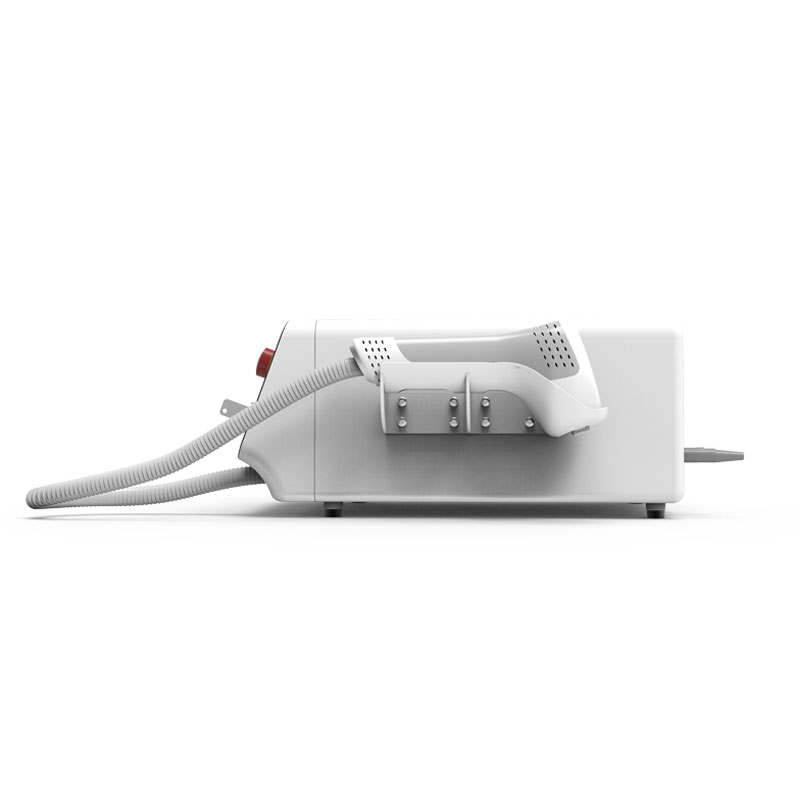
Portability versus stationary use is another factor that affects the selection of a Class 4 laser device. Portable models offer the advantage of ease of use and versatility, enabling for treatments outside of a traditional clinic environment. However, stationary devices typically offer enhanced power and stability, making them suitable for in-depth treatments. Assessing the setting in which the laser will be used and the intended applications will assist determine which kind aligns more closely with practice needs and treatment approaches.
Analyzing Effectiveness and User Experience
When assessing the performance of Class 4 laser therapy units, clinical outcomes play a key role. Many investigations underscore the equipment's ability to reduce inflammation and promote tissue healing. Individuals often report considerable pain relief and improved mobility after therapies. The performance varies depending on several variables, including the specific ailment being treated, the wavelength and power output of the laser, and compliance to advised treatment protocols.
User experience is also important to evaluate when selecting a Class 4 laser unit. Aspects such as user-friendliness, comfort during treatment, and the ergonomics of the system can greatly impact the overall experience of both practitioners and clients. Units with intuitive interfaces allow users to access treatment settings without difficulty, while those equipped with variable power and treatment modes increase versatility for different applications.
In addition, real customer feedback provide insight into the day-to-day functionality and durability reliability of Class 4 laser therapy units. Users often relay their experiences regarding customer support, warranty, and education provided by suppliers. These elements can influence the decision-making process, ensuring that the chosen unit meets both clinical needs and satisfaction satisfactorily.